AI is dismantling creative departments.
The creative director of the future might soon be expected to do everything.

This project was a test: how far can one CD and AI go, from blank page to client-ready pitch. And how fast.

Research. Strategy. Platform. Concepts. Proof of Concepts. Vibe Coded Website. The client could, in theory, hit go on production tomorrow.

Everything you see was made by one person and AI, in one browser, in 34 working hours. It cost £53.16
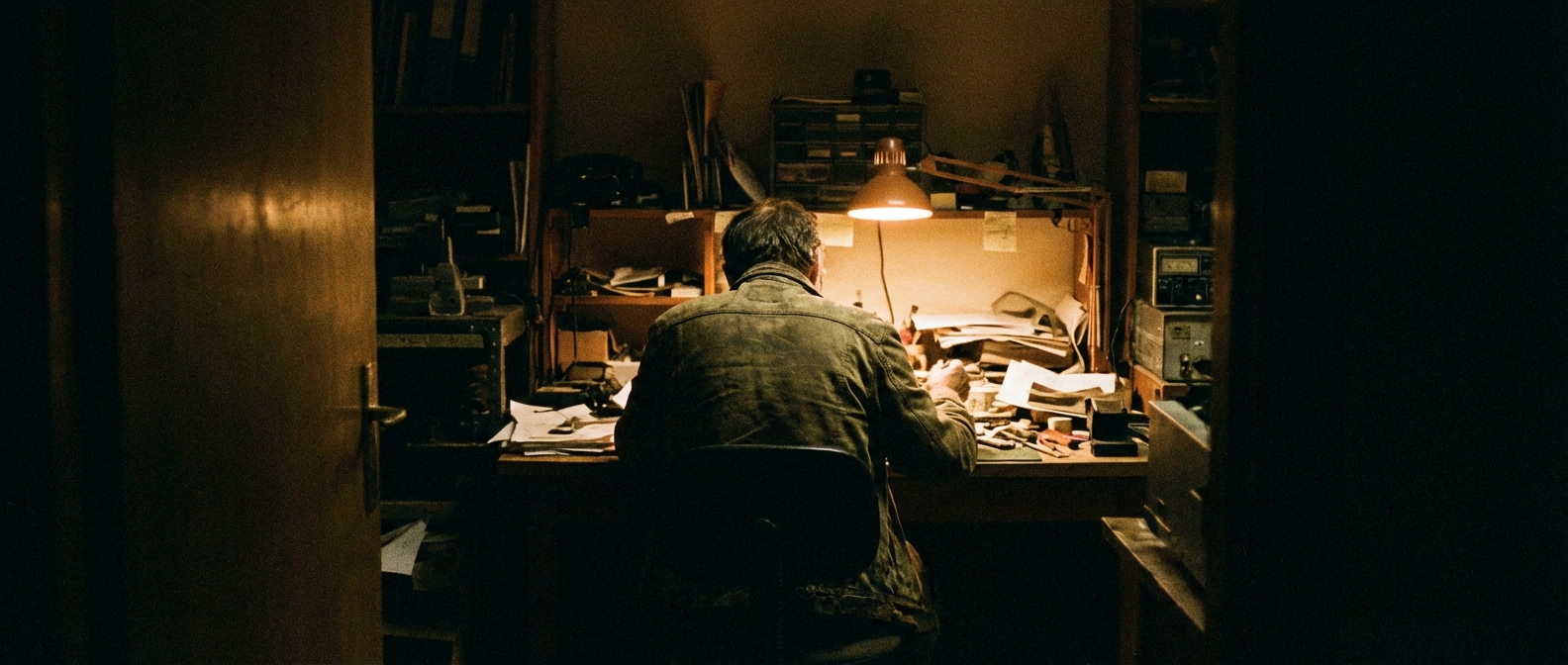
The Human Trace

Strategic & Creative Case Study

The 2026 Conflict

The hyper-optimised 'polished void'

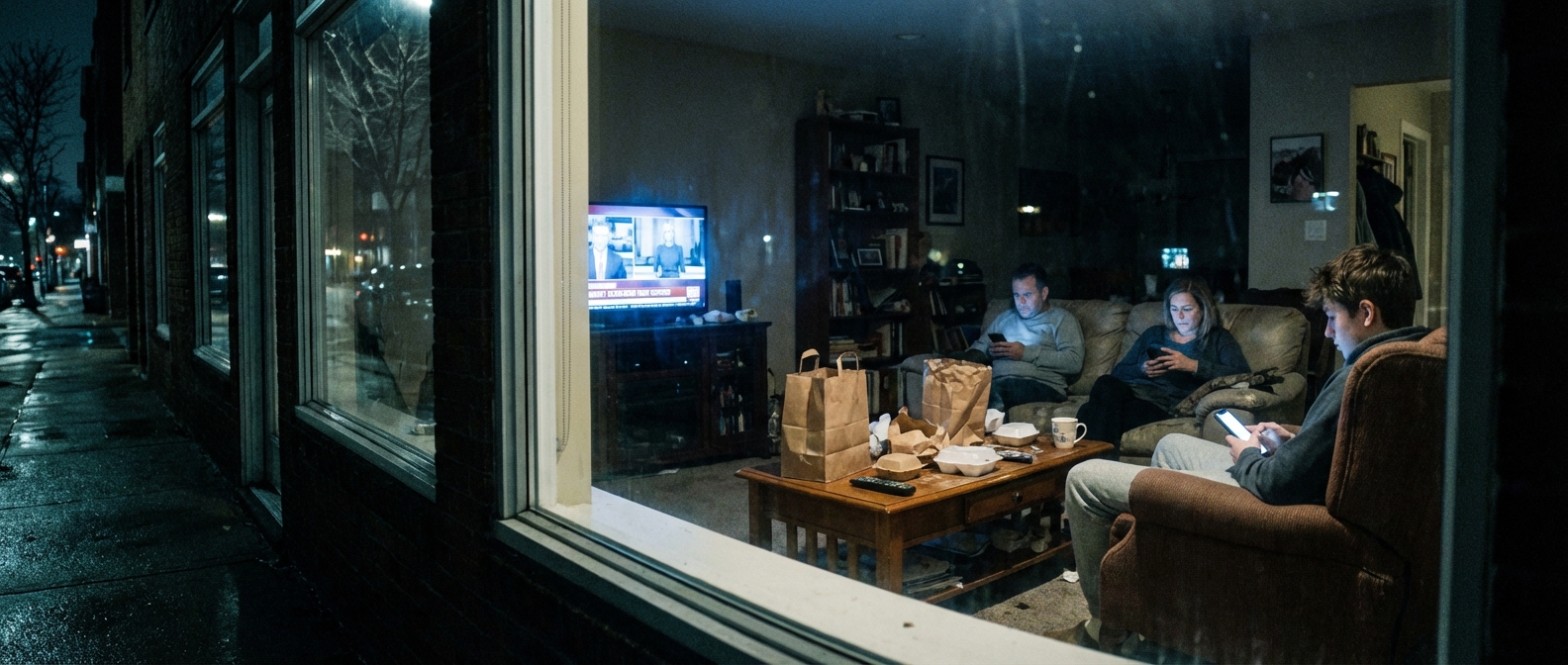
'Synthetic Apathy'

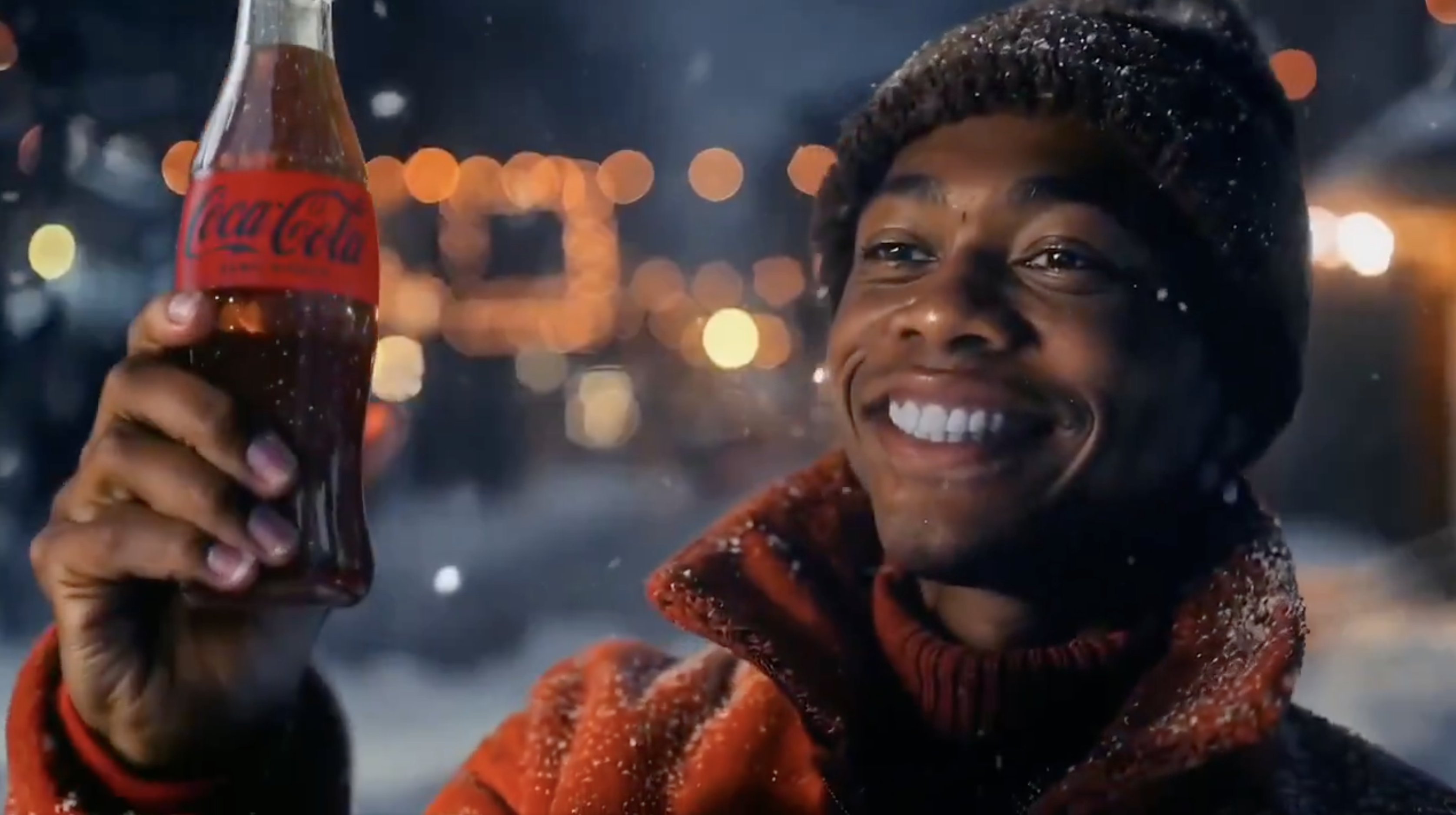
Consumers can now sense the "algorithmic hum." When a brand's creative is too symmetrical, the lighting too perfect, and the copy too "optimised," the human brain registers it as background noise.
Human effort

Intentional Friction

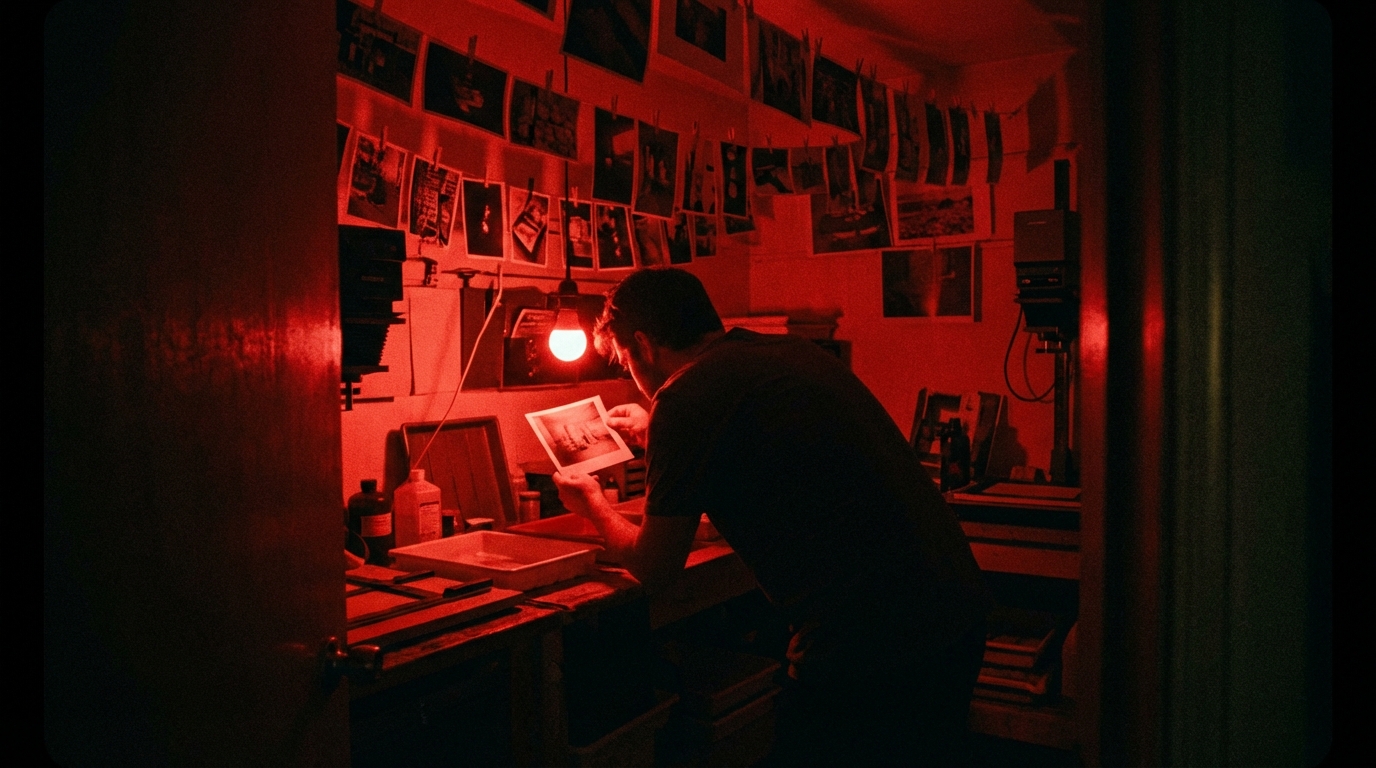
The rise of "High-Friction" hobbies: analog photography (film sales are at a 20-year high), manual-grind coffee, and ultra-endurance sports (Ironman and Spartan race participation up 22%).

80%

Of 2026 marketing assets are AI generated.

65%

Of Gen Z report feeling "burned out" by algorithmic feeds.

35%

Of marketers cite "over-reliance on automation hurting brand authenticity" as #1 2026 anxiety.

The more efficiently a brand communicates, the less it says. Fast fashion and ghost kitchens proved it first: total efficiency, zero soul — you receive the product in 10 minutes and feel nothing for the brand. It's a transaction, not a relationship. We're now manufacturing a new kind of consumer poverty — not a lack of product, but a lack of meaning.

The Efficiency Paradox

The 'Human Effort' Economy

We don't want easy. We want earned.

Biologically, humans are wired for challenge. Dopamine isn't released when we receive, it fires when we achieve. Our hyper-optimised environment has systematically removed the friction that makes achievement feel real.

The consumer in 2026 is not lazy. They are starved. Starved of moments that feel like they cost something — time, skill, attention, risk. When a brand removes all friction it removes all meaning.

The insight is not that consumers want suffering. They want the specific feeling that comes after their trials: the quiet pride of a thing made, earned, or survived.

Human Effort is the new premium.

Human Effort Is The New Premium.

Mechanical

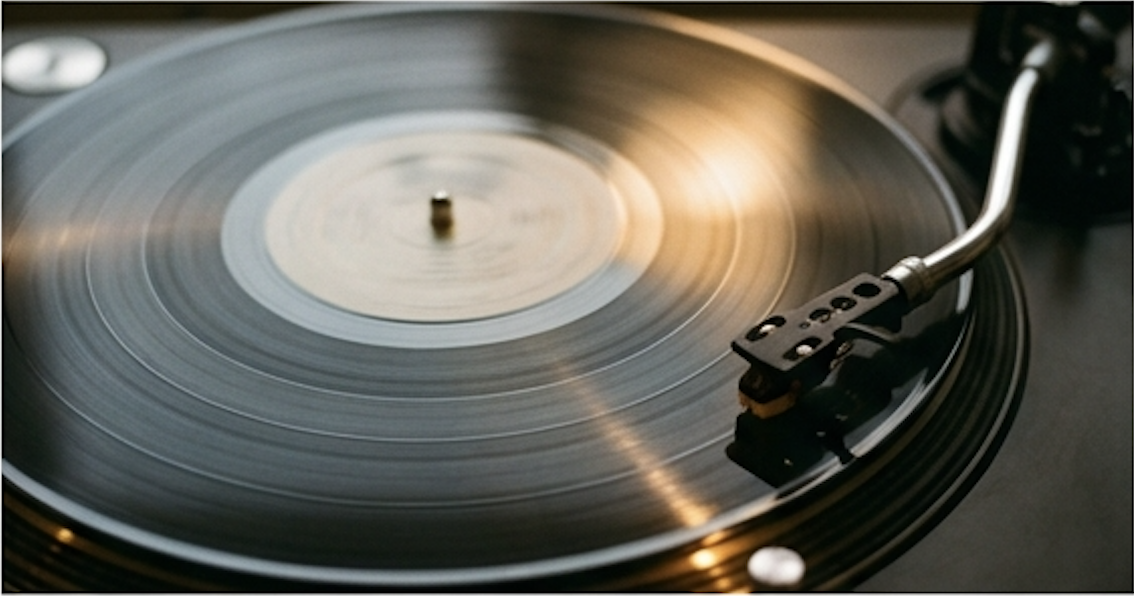
RIAA data confirms vinyl outsold CDs for the second consecutive year in 2023 — the first time since the 1980s. 43% of vinyl buyers also have a streaming subscription. They're not choosing instead. They're choosing as well as, deliberately.
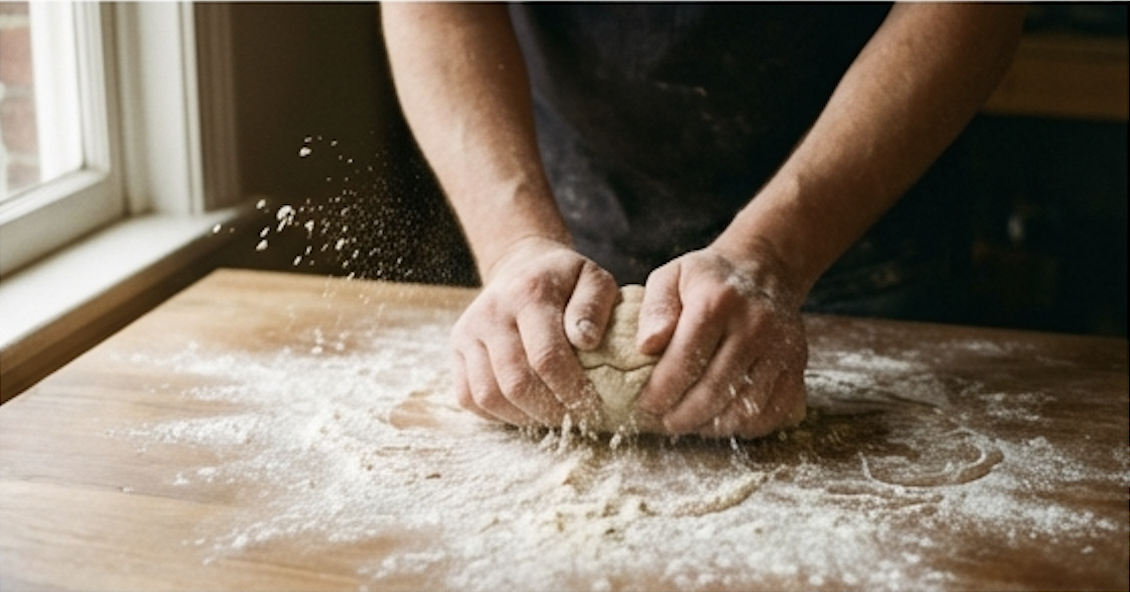
Homemade

Google Trends data shows "sourdough recipe" search volume remains 400% above pre-2020 levels. The Slow Food Movement has seen consistent membership growth — Slow Food International reports presence in 160 countries.
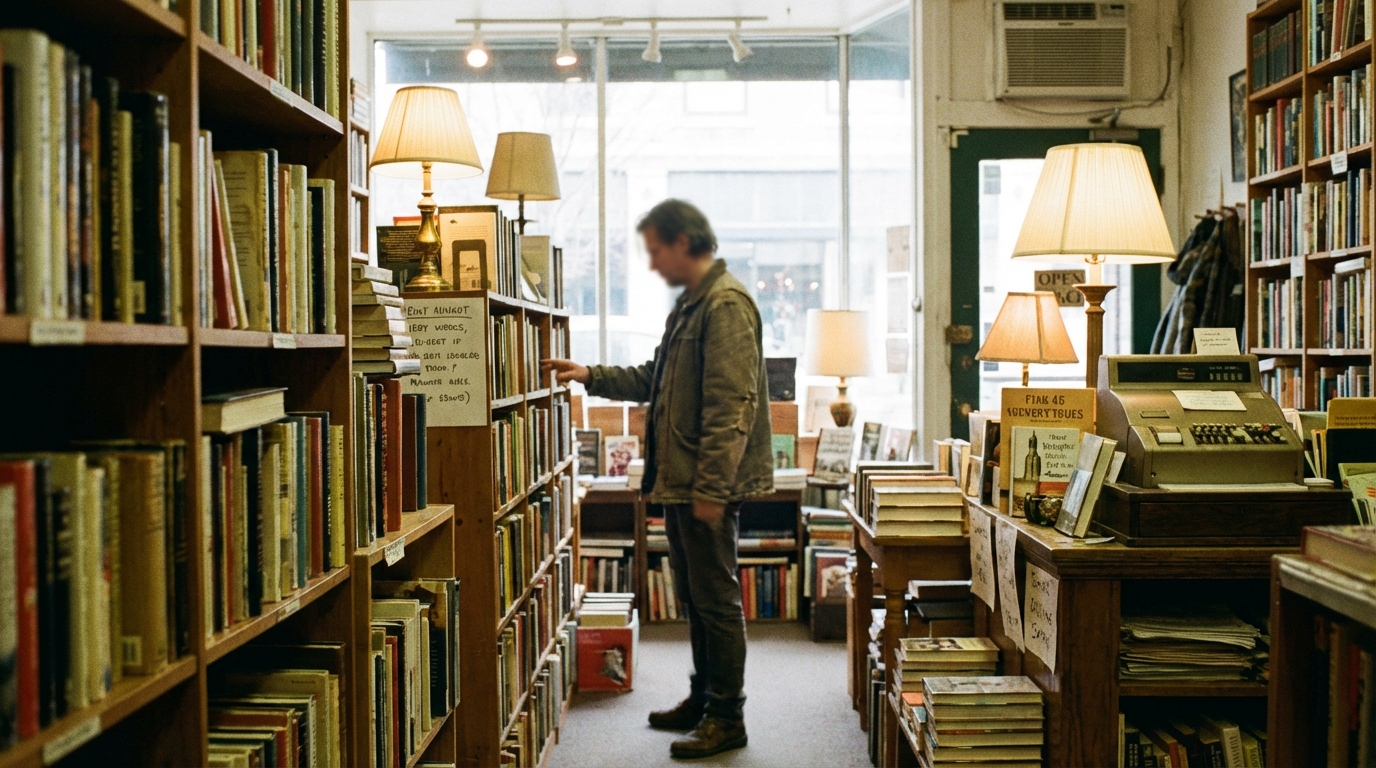
Analog

The American Booksellers Association reported independent bookshop numbers grew for the fifth consecutive year in 2023, reversing a decade of decline. The experience of choosing in a physical space, with effort, is winning against frictionless delivery.
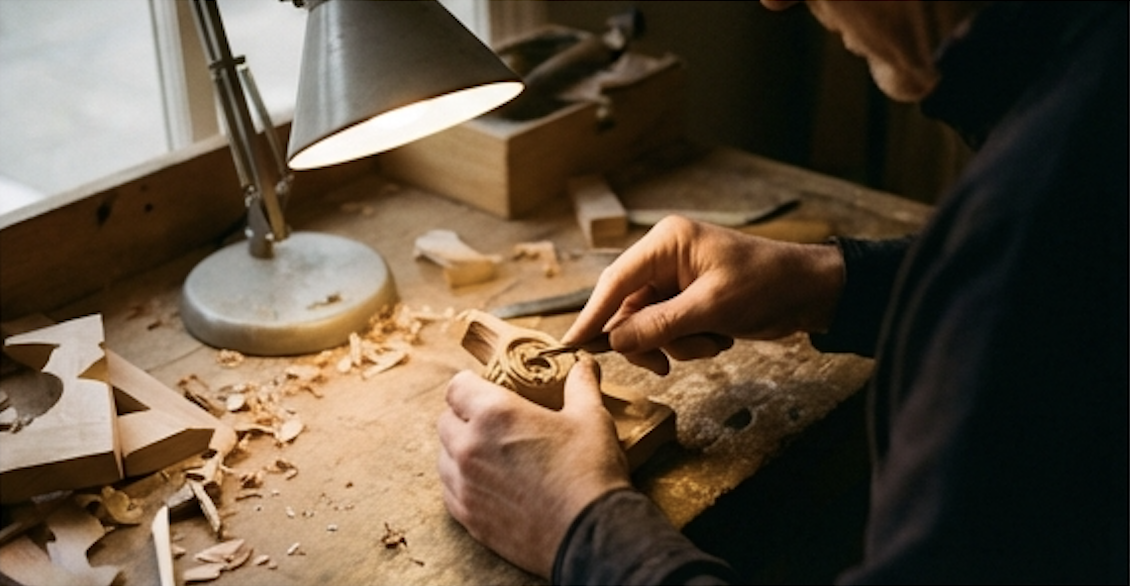
Handmade

Etsy reported 96.3 million active buyers in 2023. The "handmade" filter is their most-used search qualifier.
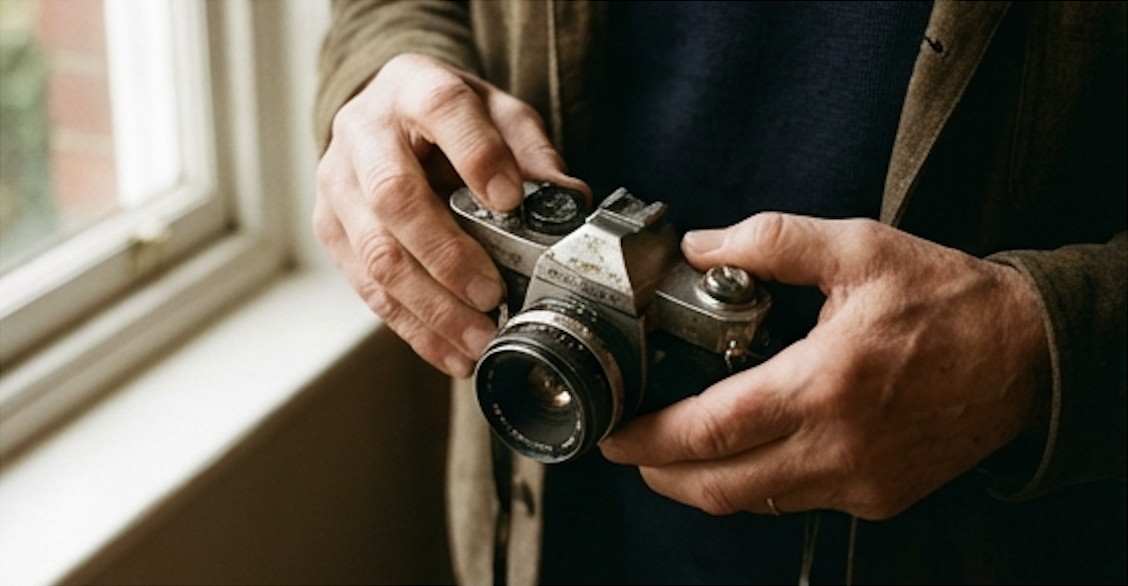
Manual

The film photography industry has seen a +127% increase since 2020. 41% of new customers are Gen Z. Leica have removed rear LCD screens from their cameras, charging more for a product that does less.

The Best Thing For Brands To Do In 2026 Is

Make It Harder.

01

Reintroduce Friction Deliberately

Not as a flaw to be fixed. As a feature to be designed. The effort is the product. Identify where your brand has optimised the meaning out of the experience and put it back.

02

Make Imperfection Visible

Stop hiding the human process behind the perfect output. The making is the message. Show the work, the iteration, the hands, the time. What cost something is worth something.

03

Build For Pride, Not Convenience

Every brand touchpoint should leave the consumer feeling capable, not passive. The question is no longer "how do we make this easier?" It is "how do we make this worth doing?"


How could three brands do this?
Music Has Become Weightless

01 — The Collection

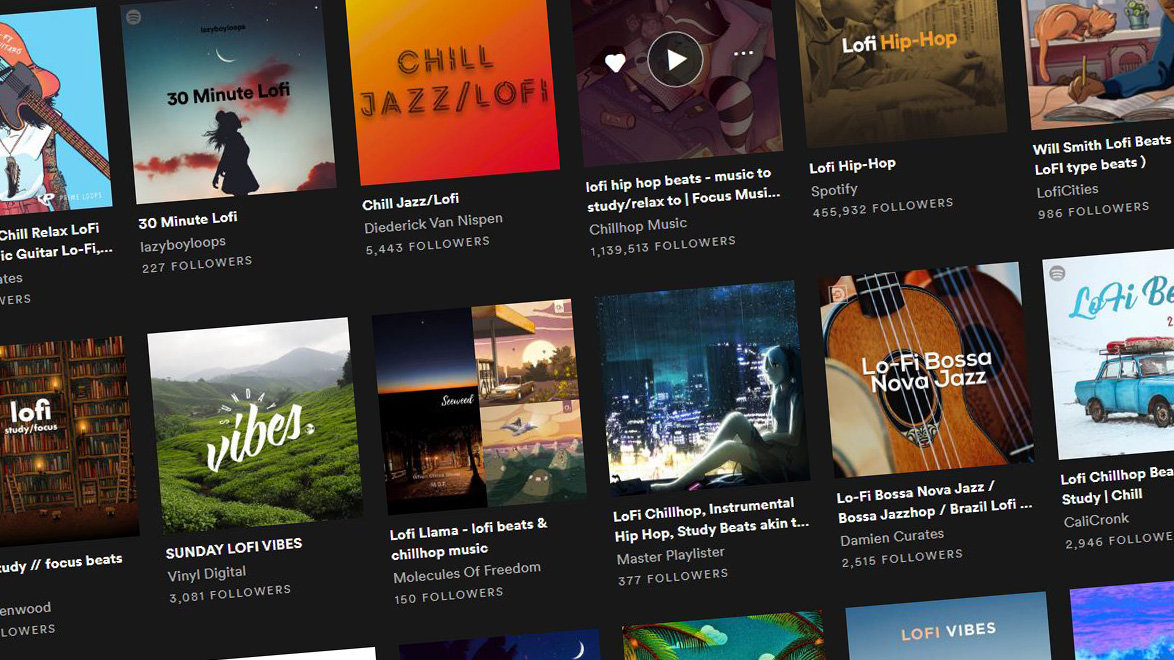
One-click 'add to playlist' is the ghost kitchen of music. There's no pride in a library you barely built. No identity in a collection someone else curated.

02 — The Discovery

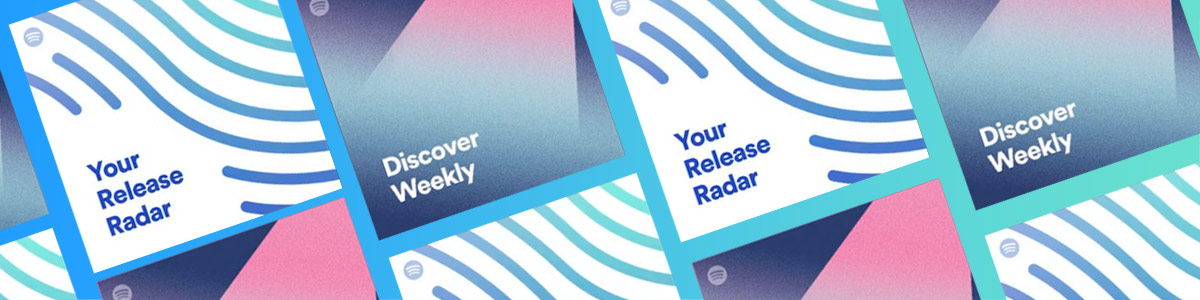
The algorithm became an unsophisticated echo chamber. Spotify Radio serves you songs already in your library. 'Related Artists' narrow your experience rather than expand.

03 — The Trust

Labels pay for placement. Artists with budgets appear in Discover. Release Radar isn't a meritocracy, it's a marketplace. You think you're being guided by taste. You're being guided by spend.

Infinite Music. Narrowing World.

The platform built to give you access to everything has given you access to less. Less discovery. Less surprise. Less pride. Less trust.

We used to hunt for music. Flipping through crates. Asking the person behind the counter. Tuning into the late night DJ. Reading the magazines. Flipping to the B side.

The humanness of it meant something. We had autonomy. We had discernment. So when we found something, it lasted.

The algorithm took that away.

But music has always rewarded the human who went looking.

Spotify is bringing that back.

The Product

Spotify
Selector

The radio DJ was the tastemaker. New bands, throwbacks, deep cuts: they were the best source of new music.

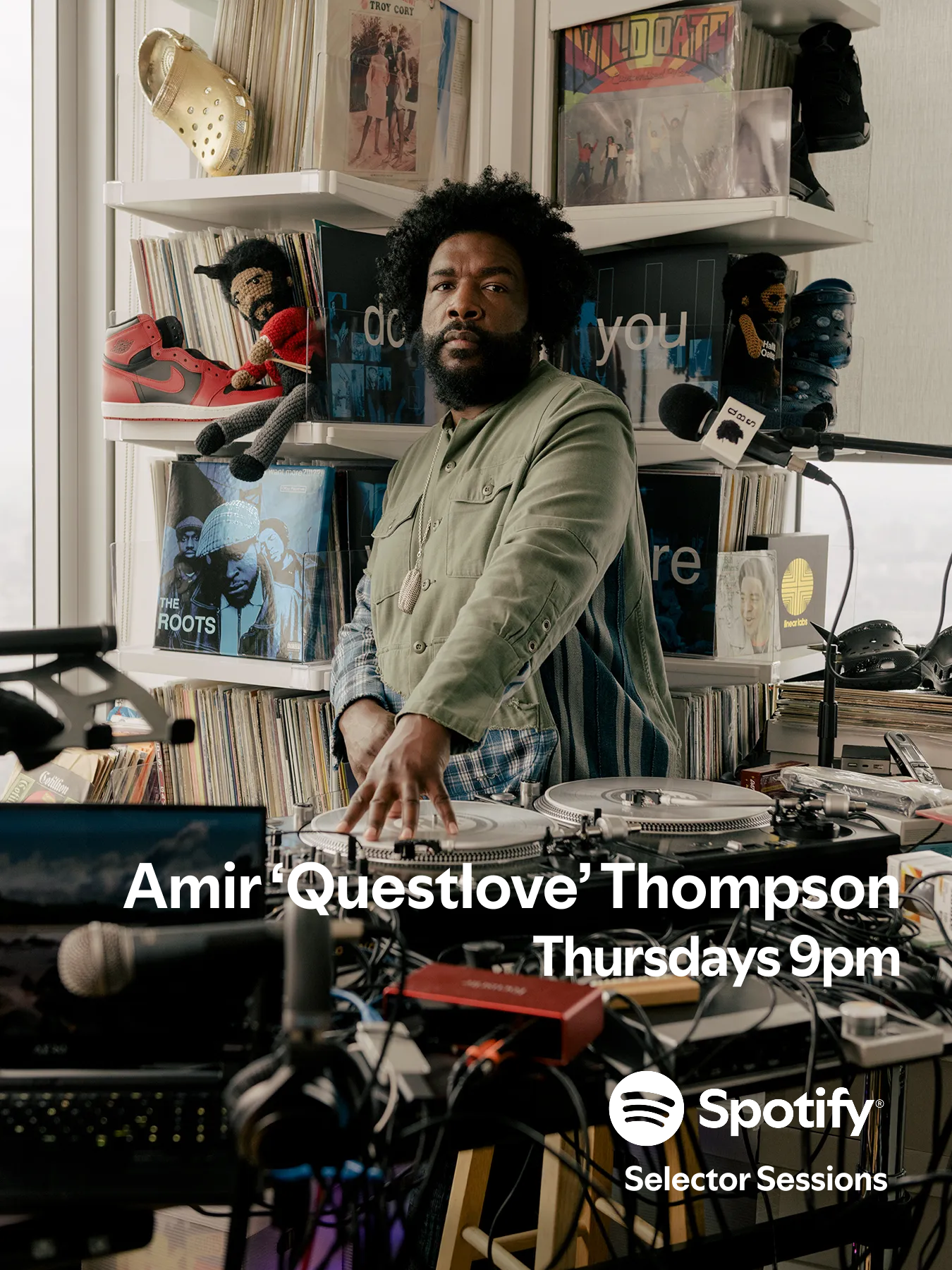
Spotify Selector is a series of live, unrecorded radio shows hosted by the world's most respected music obsessives. Underground DJs. Legendary selectors. The people whose taste has always been ahead of the curve.

One hour. No tracklist. No recording. No second chance. If you're listening, you'll hear something that changes your week. If you're not, you'll hear about it from someone who was.

Scarcity as a feature.

The Product

Liner
Notes

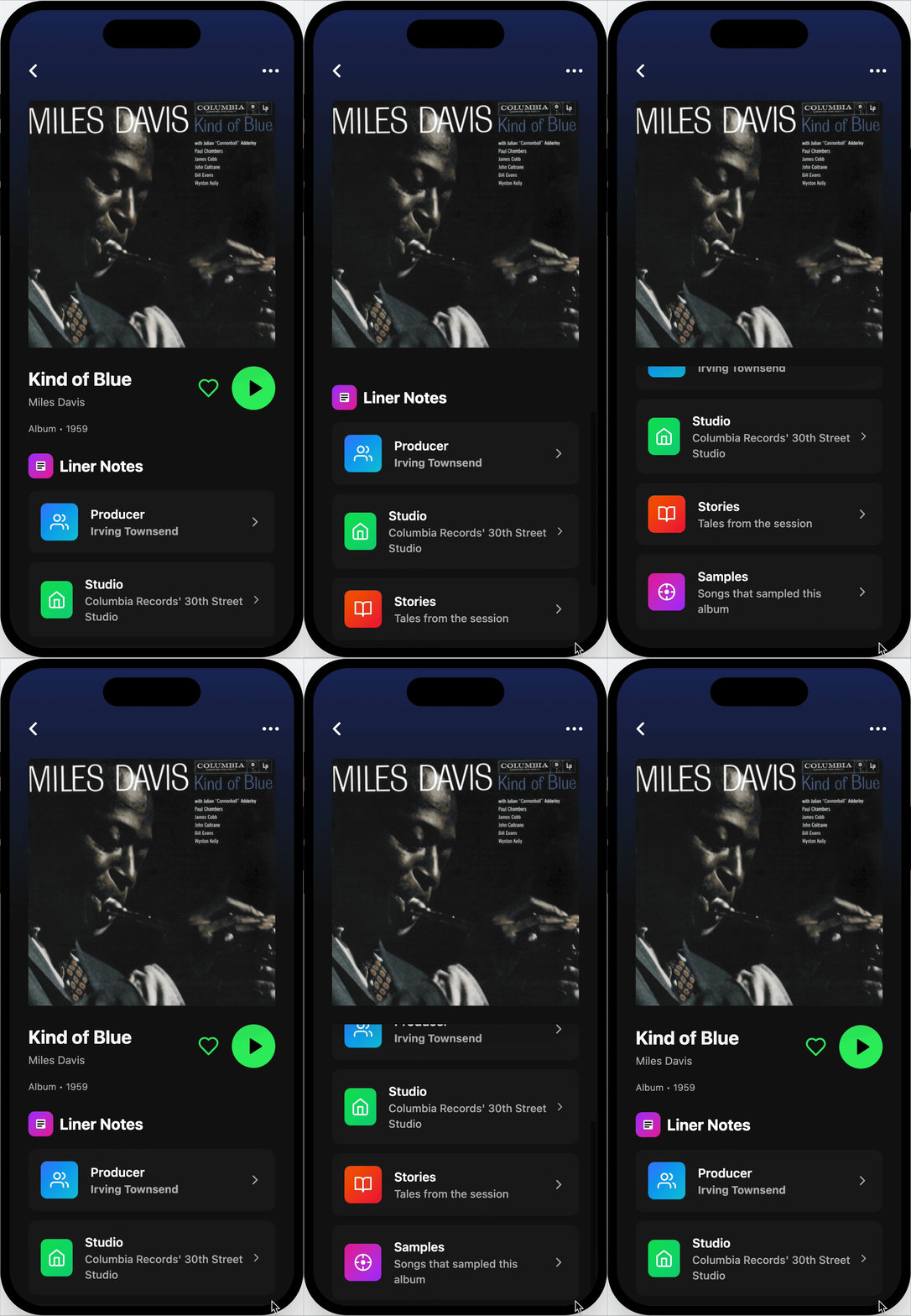
What's that sample? Who produced that? Which studio recorded it? Engage the rabbit hole.

Liner Notes surfaces the human context behind the music and creates a means of discovering more. Users can click on producers, studios, writers, or samples to find adjacent (or not) music.

The self-directed rabbit hole turns a casual listener into an obsessive. The kind of knowledge that makes music feel like yours rather than everyone's.

Discovery through depth.

The Product

White Label.
In Full.

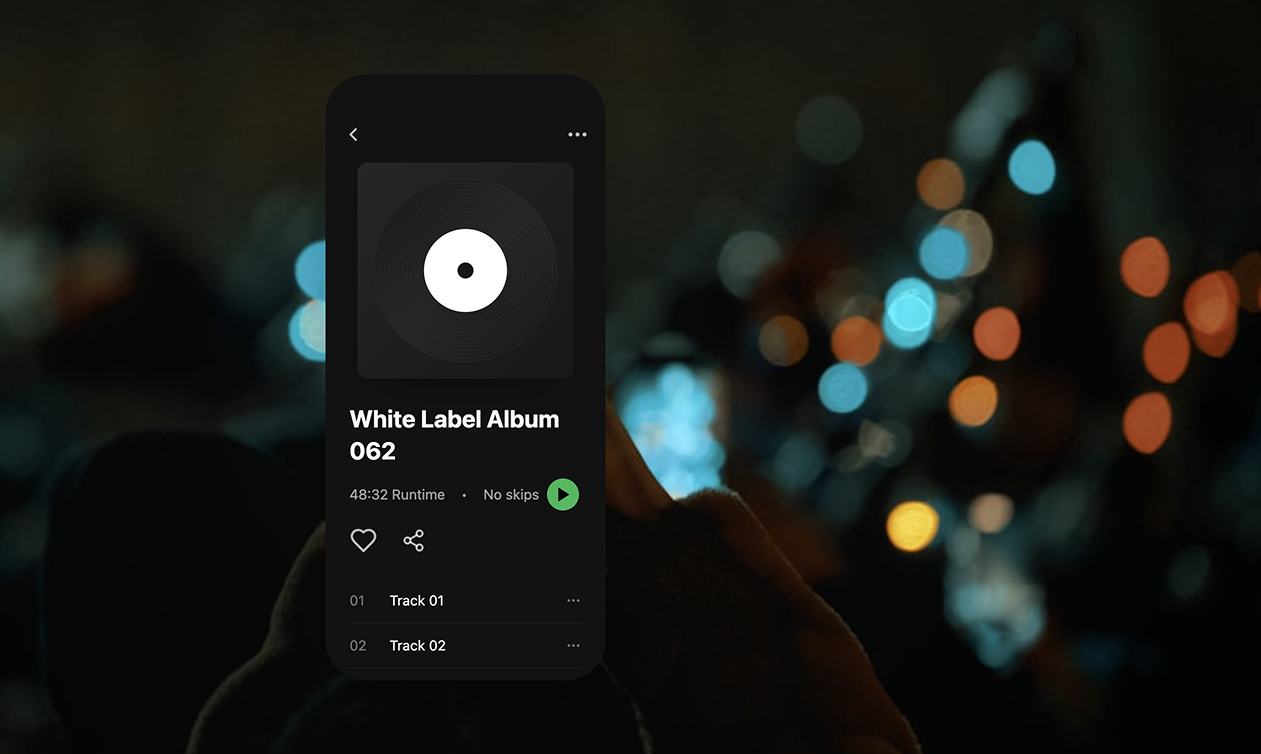
Blind listen. No skips.

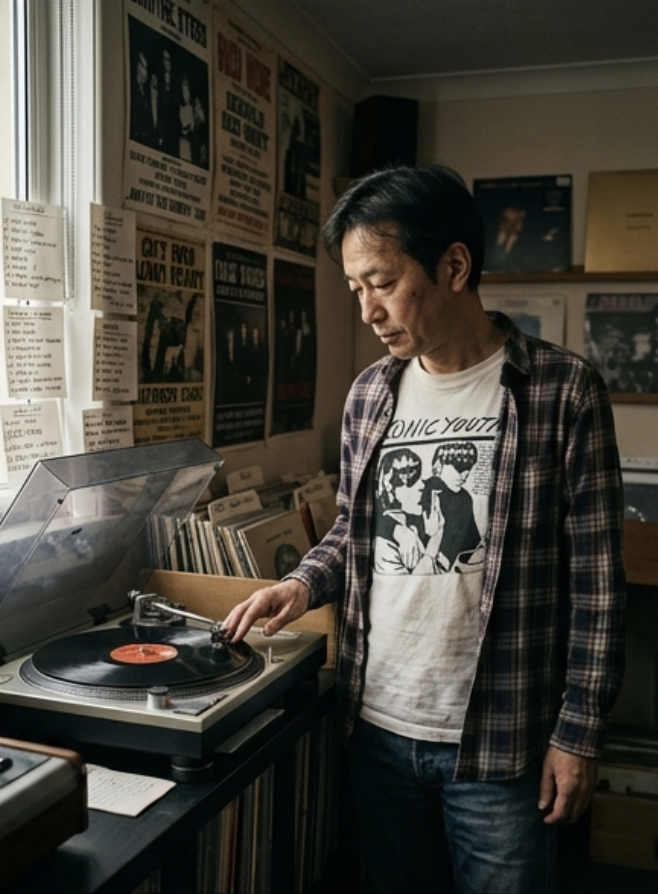
White label is a curated collection of records selected by human experts — musicians, critics, obsessives — that must be heard in full, cover to cover, kept 'blind' to avoid any preconceptions.

When it ends, one question appears on screen: Did you find something?

Yes or No. The collective human answer becomes the curation signal. Not data or echo chambers. A verdict.

The Product.

Critics

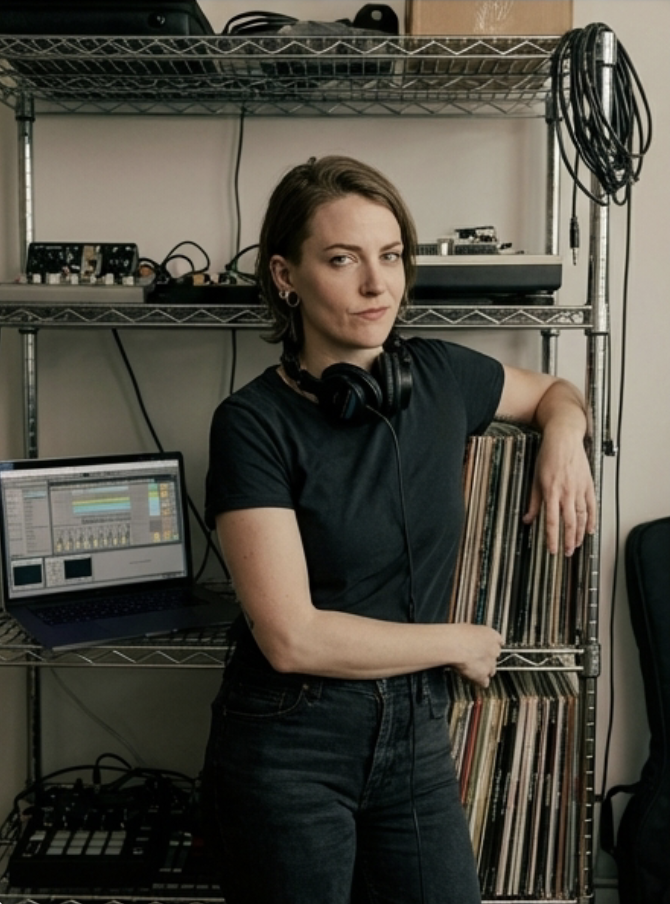
Authoritative voices in music.

Critics will be a living annotation layer beneath every track on Spotify. Journalists. Selectors. Obsessives. One written line each — 280 characters — about why this track matters.

No stars. No hearts. No algorithm. A hierarchy built entirely on demonstrated taste.

Pitchfork sits alongside the Fabric resident who sits alongside the listener who has simply never been wrong.

Music criticism. Finally democratised.

Found

There's a certain feeling discovering new music gives you.
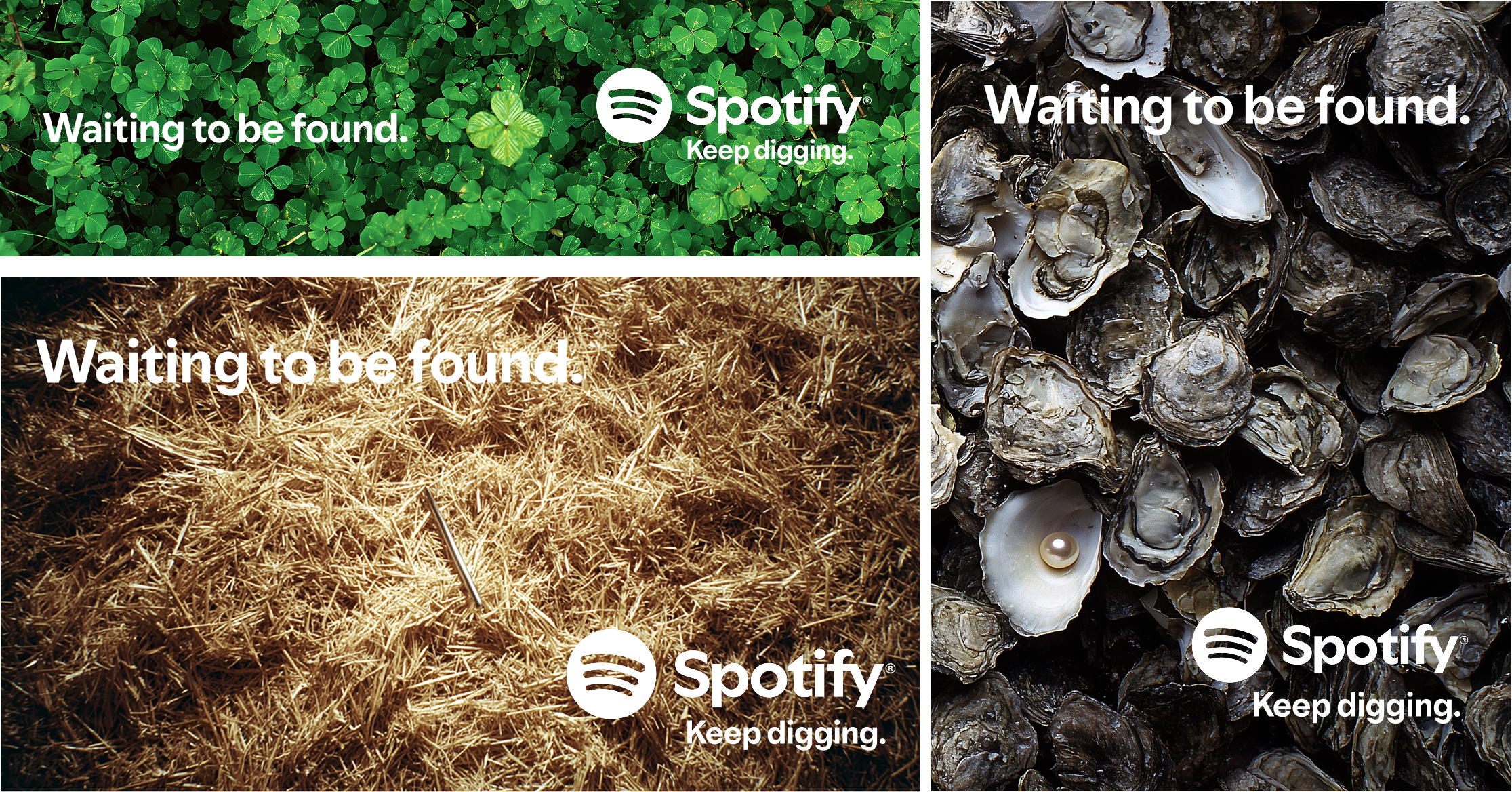
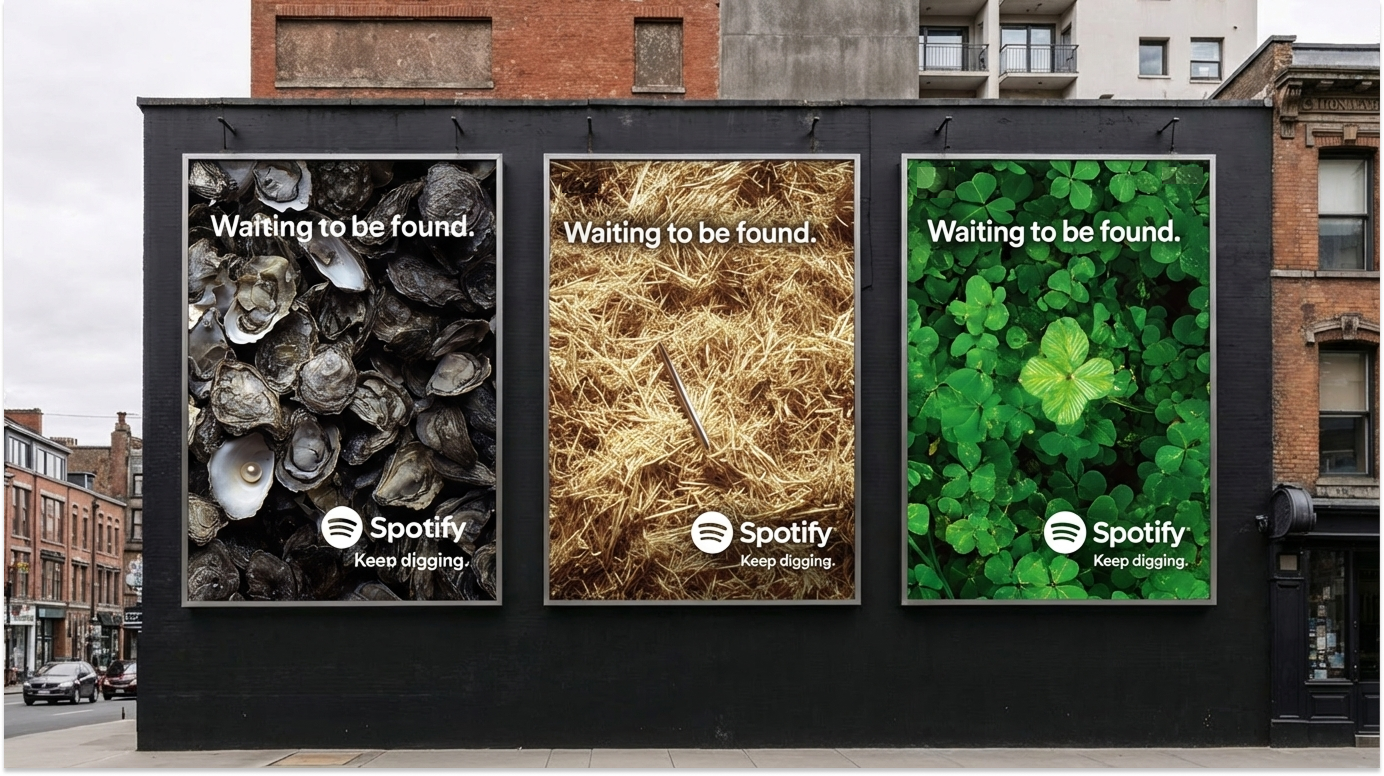
Like the world has changed forever. Like you've found a needle in a haystack.
Like you're let in on something no one else is.

It feels like you're found.

It's yours to find.

Found on Spotify.

The Campaign. Film.

Found.

This is an ad for a music service, with no music.

We find five people stopped dead by the discovery of new music. The world around them continues. They don't.

It's voyeuristic in feel. Like the camera is intruding on these people at an intensely private moment, in a very public place. It can happen anywhere, anytime, to anyone on Spotify.

Shot on 16mm. Long lens. Available light. The camera finds — it never leads.

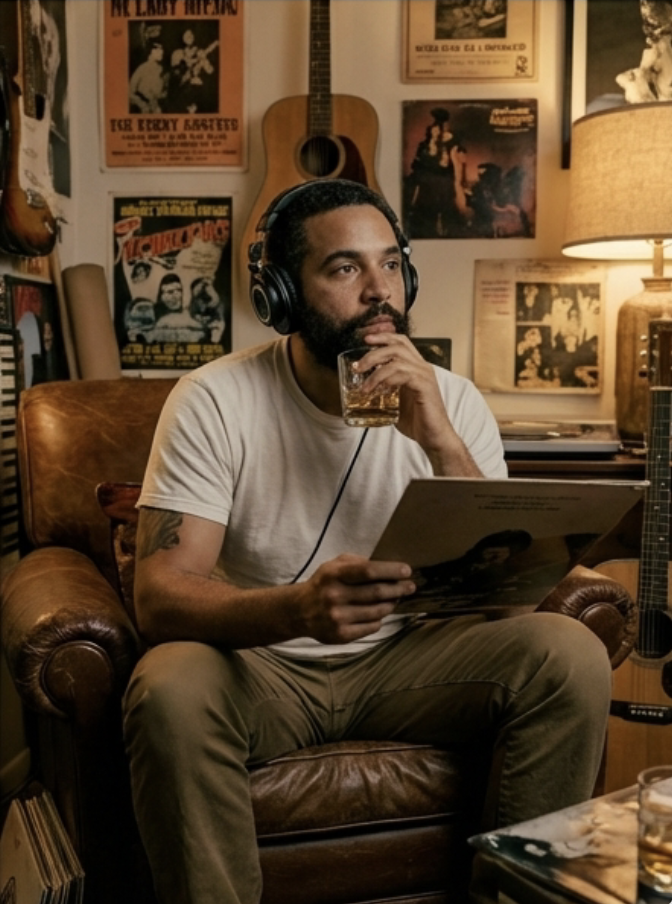
The CardioA gym-goer stops mid-row to listen.
The CommuteA train passenger is transported to another planet.
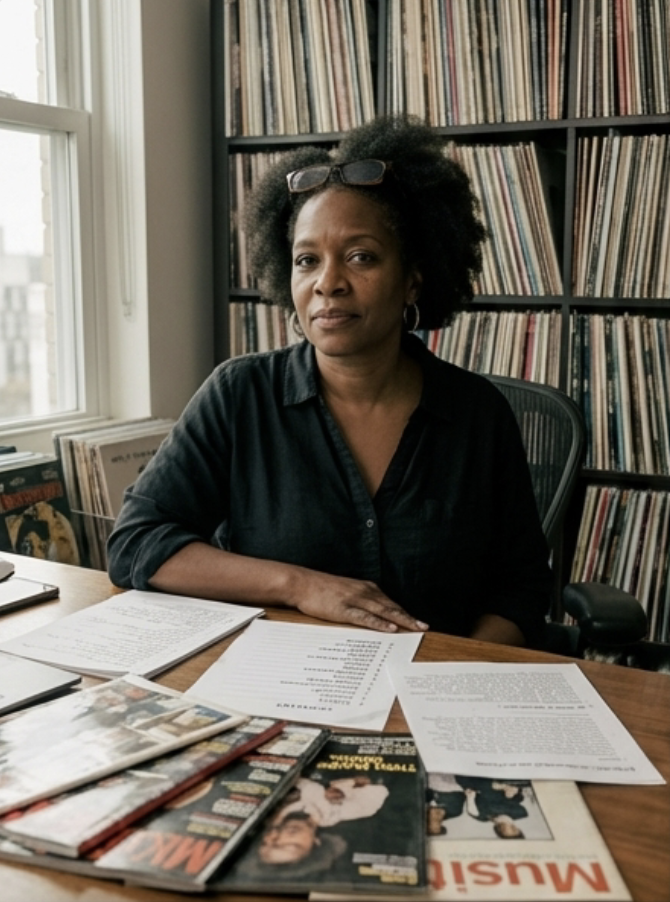
The CleanA hotel custodian can't continue.
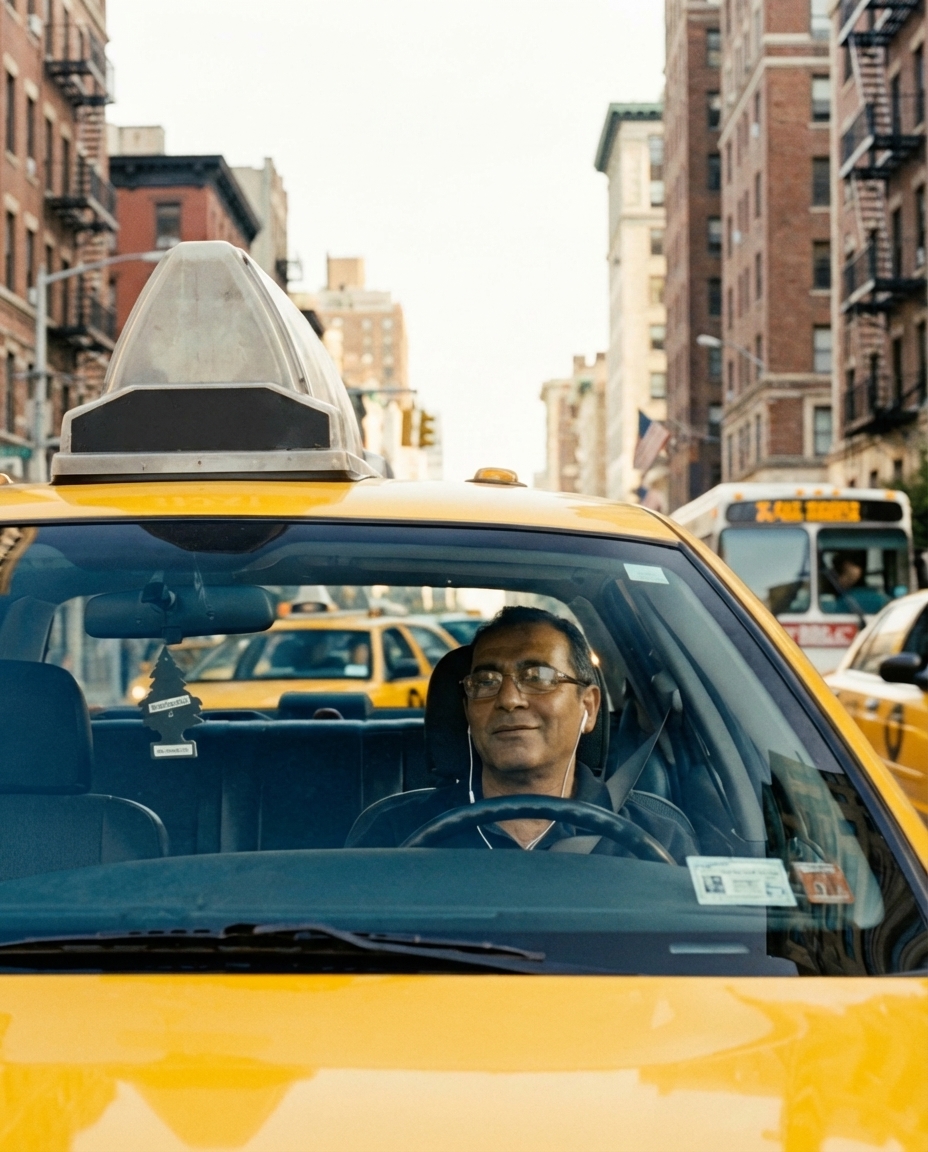
The CabA taxi driver pulls over to take it in.
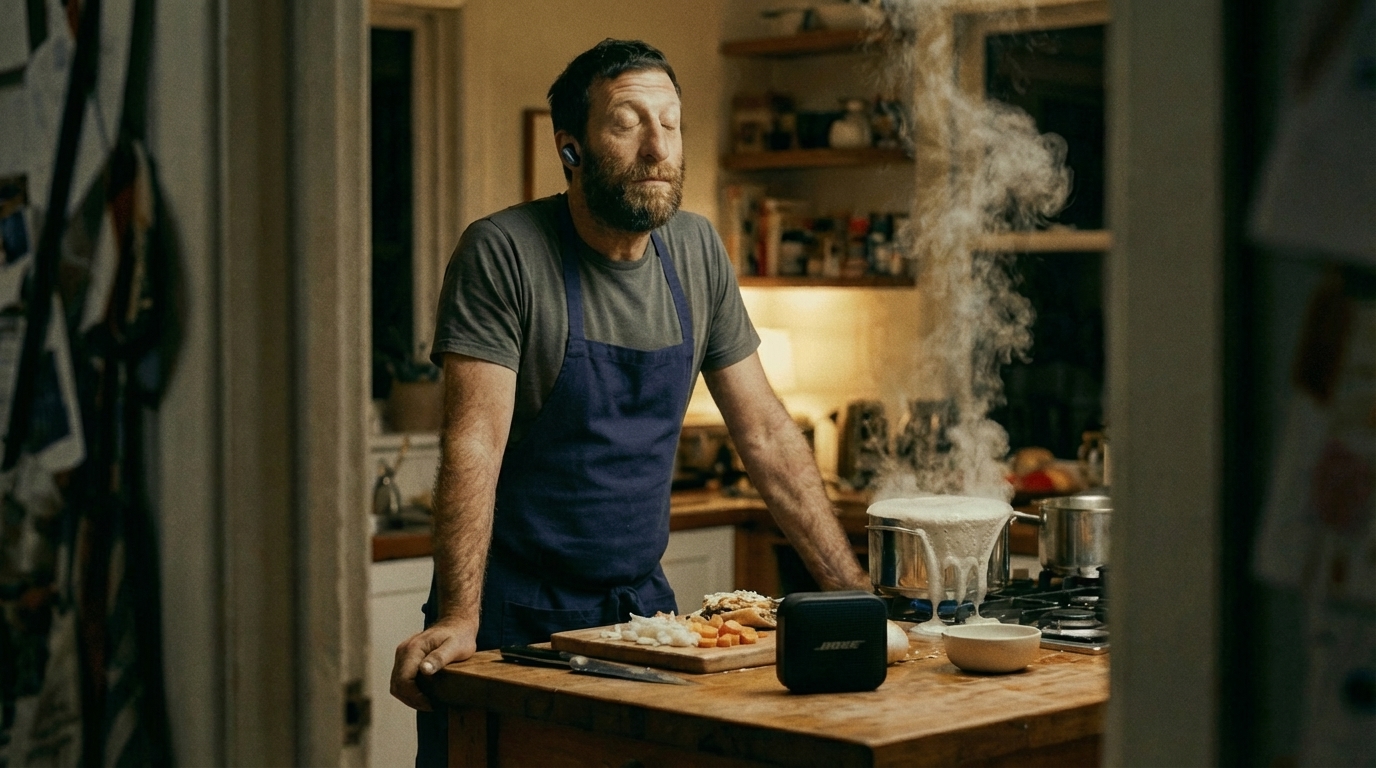
The CookA man cooking dinner lets it all go.

Found.
Spotify. Keep Digging.

Proof Of Concept Film

Waiting To Be Found.

Experiential.

Spotify
Found.

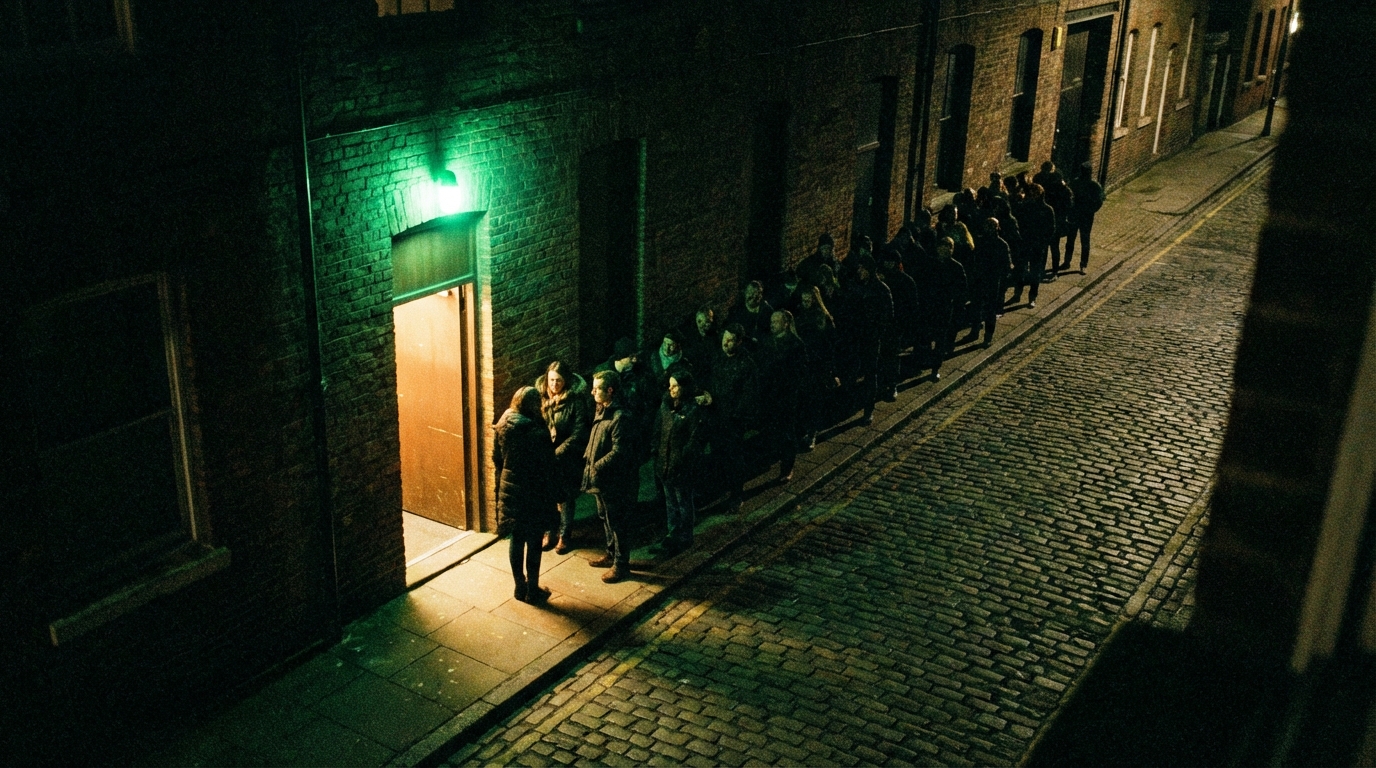
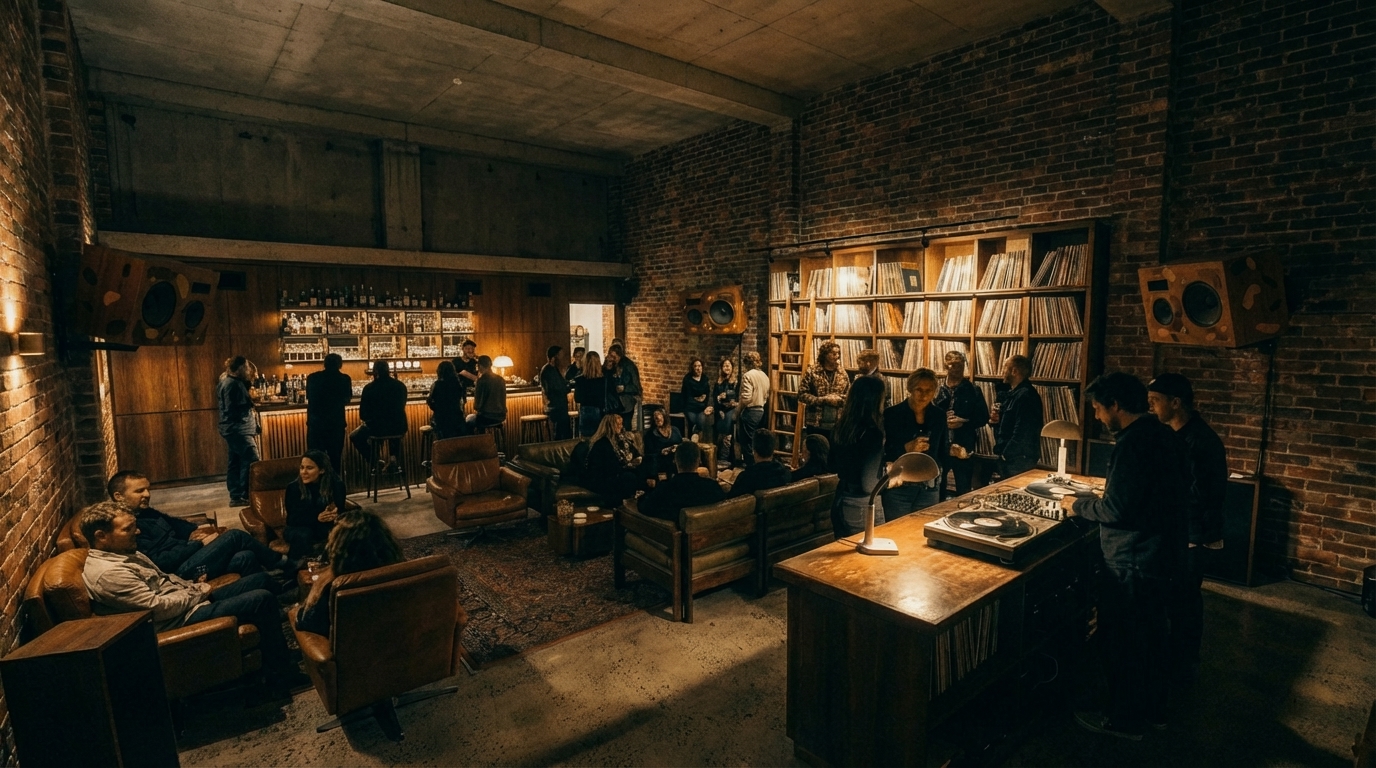
A series of pop-up listening rooms. No listing. No social presence. Just an address — distributed through Spotify itself, visible only to users who've been digging through the new features.

You arrive on an unremarkable street. A single light above an unmarked door. A queue of twenty, thirty people. Nobody on their phone. You either got the notification or you didn't.

Inside, a selector plays for ninety minutes. No tracklist. No recording. No second chance. Music the way it used to be — shared, live, unrepeatable.

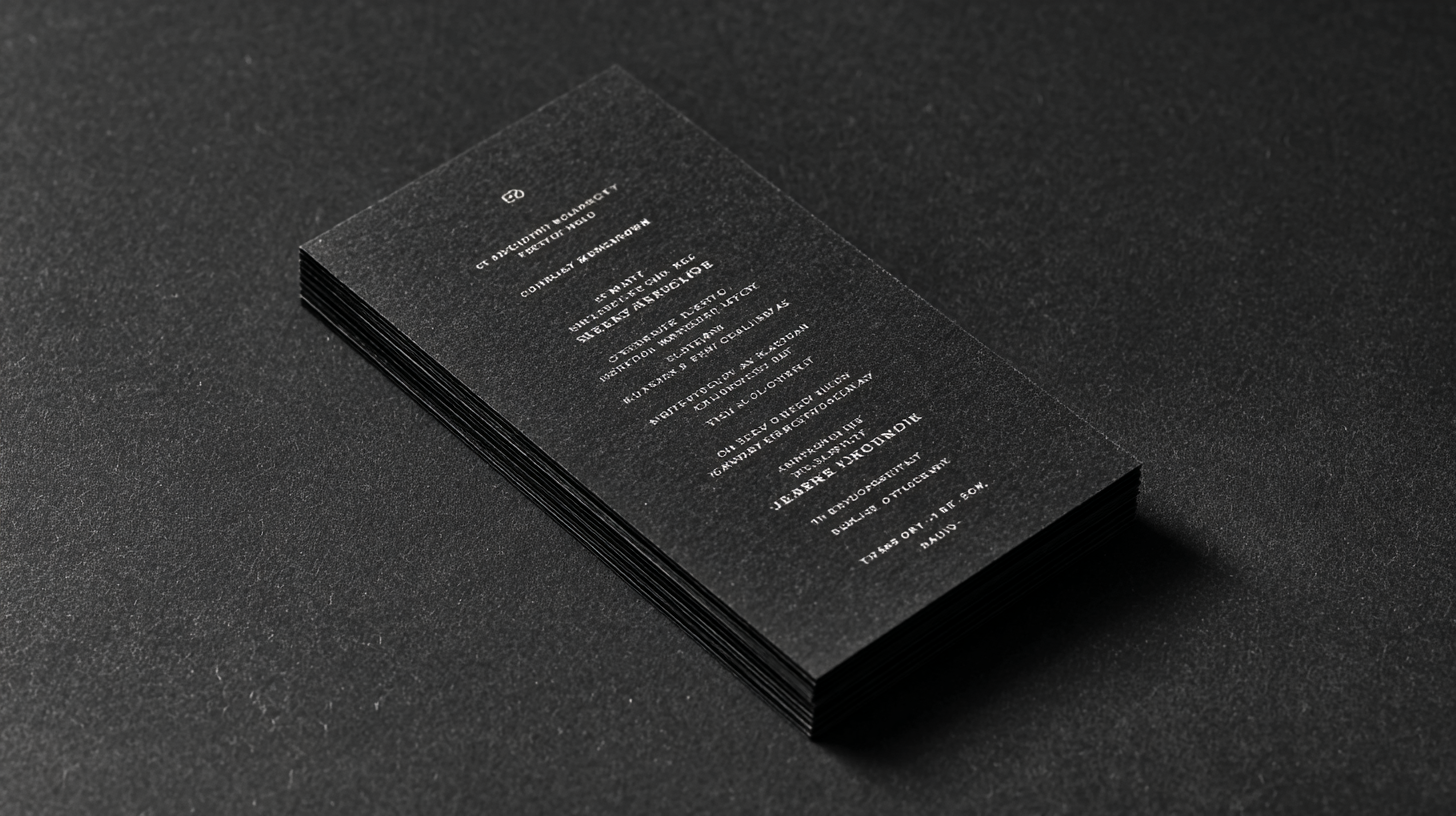
When it ends you leave with a card. Heavy stock. The date, the location, every track in order. The only proof a night like this leaves behind.

You won't post it. You'll keep it.

You had to dig to find it.
Keep Digging. Spotify.

Keep Digging.

Music has always rewarded the human who went looking.
Now go find it.

Keep Digging.

Work In Progress

Coming
Soon.

Strategy & creative in development

Work In Progress

Coming
Soon.

Strategy & creative in development

Murdoch

Creative Director. Culturally fluent, analytically consumed, strategically led.
Drawn to brave, provocative work.

Tools Used

Google Gemini · Claude · Runway · Midjourney · Figma · Higgsfield · Pitch · Cloudinary · Netlify

Stats

34 hours · £53.16 · 1 person · 1 browser

02

Reflections
On The
Process

Conceptually, AI isn't there yet. It struggles to hold a consistent thread across integrated executions. What it thinks is cool is often what your parents think is cool. Most output is cheesy, safe, and written like it's thought-provoking when it's really not saying anything (most LinkedIn posts are proof of this). Advertising is about understanding where culture is at and what resonates. AI cannot currently do that.

Humans define culture. Culture moves too fast and too subtly for current models to understand the intangibles.

We already know visual AI models are incredible in the speed at which they can create. But they hate subtlety — especially video. Animating humans to act like humans is time consuming and a process of trial and error. The models want to move, smile and breathe too much. It's likely that'll get refined quickly, however.

There's definitely an AI bubble. A scary number of platforms all use the same underlying tech, offering the exact same thing.

Gemini and Claude are exceptional for research. But there's a critical handoff — at a certain point you need to move Gemini's breadth into Claude's reasoning in order to synthesise it into something meaningful. At that, Claude is super impressive. But both models will fit a square peg into a round hole and hold it there stubbornly. Know when to push back, fact-check, or trust your own instincts and take it offline.

Multi-task. Waiting one prompt at a time slows you down massively. Run multiple prompts across different AIs simultaneously — whilst you're waiting for vibe code to come back, get that next image generated or hosted.

As a hybrid strategy/copy CD this process was about getting to proof of concept stage. Apologies for the truly awful typesetting.

03

The
Research

The Proof of Human Shift

Backslash TBWA · 2026 Edges Report

57% of adults globally now seek ideas in niche, under-the-radar communities to avoid algorithmic flattening. Culture is searching for proof of human. Visible effort and messy fingerprints that signal someone actually cared.

The AI Slop Backlash

Ad Pulse / System1 Research · 2026

At the Super Bowl, ads with explicit AI messaging averaged 2.1 stars. Human storytelling hit 2.7+. Only 13% of consumers trust fully AI-made ads. 48% trust human and AI co-creation. When output is cheap, meaning becomes the premium.

The High-Friction Economy

Serrano Rey / Market Growth Reports · 2026

Film photography demand up 127% since 2020. 41% of new analogue customers are Gen Z, citing rejection of digital perfection. Effort is the new status symbol.

Synthetic Apathy

Gartner / UserTesting · 2026

As AI content volume explodes, engagement is collapsing. 84% of consumers find imperfect, unscripted moments more trustworthy than flawlessly optimised content. Gartner calls it a hard reset.

The Taste Tautology

MIDiA Research / ResearchGate

Algorithms reinforce prior preferences in a closed loop. By 2026, hyper-personalisation has created a boiling frog moment. Users are finally noticing their discovery is just a mirror.

Discovery Fatigue

MIDiA · Q4 2025 Consumer Survey

Gen Z passive discovery leads to lower artist engagement. Liking songs, forgetting artists. Projected tipping point: 44% of power users bored by their own taste. Spotify's AI DJ called "cringe" by the tastemakers it most needed to impress.

The Curation Proof

WGSN / MIDiA · 2026 Predictions

People are paying human curators like Flow State and Pigeons & Planes because they no longer trust the Spotify home screen. NTS Radio and Refuge Worldwide at record audiences. A human selector who plays something you hate is the only way to actually expand your horizons.